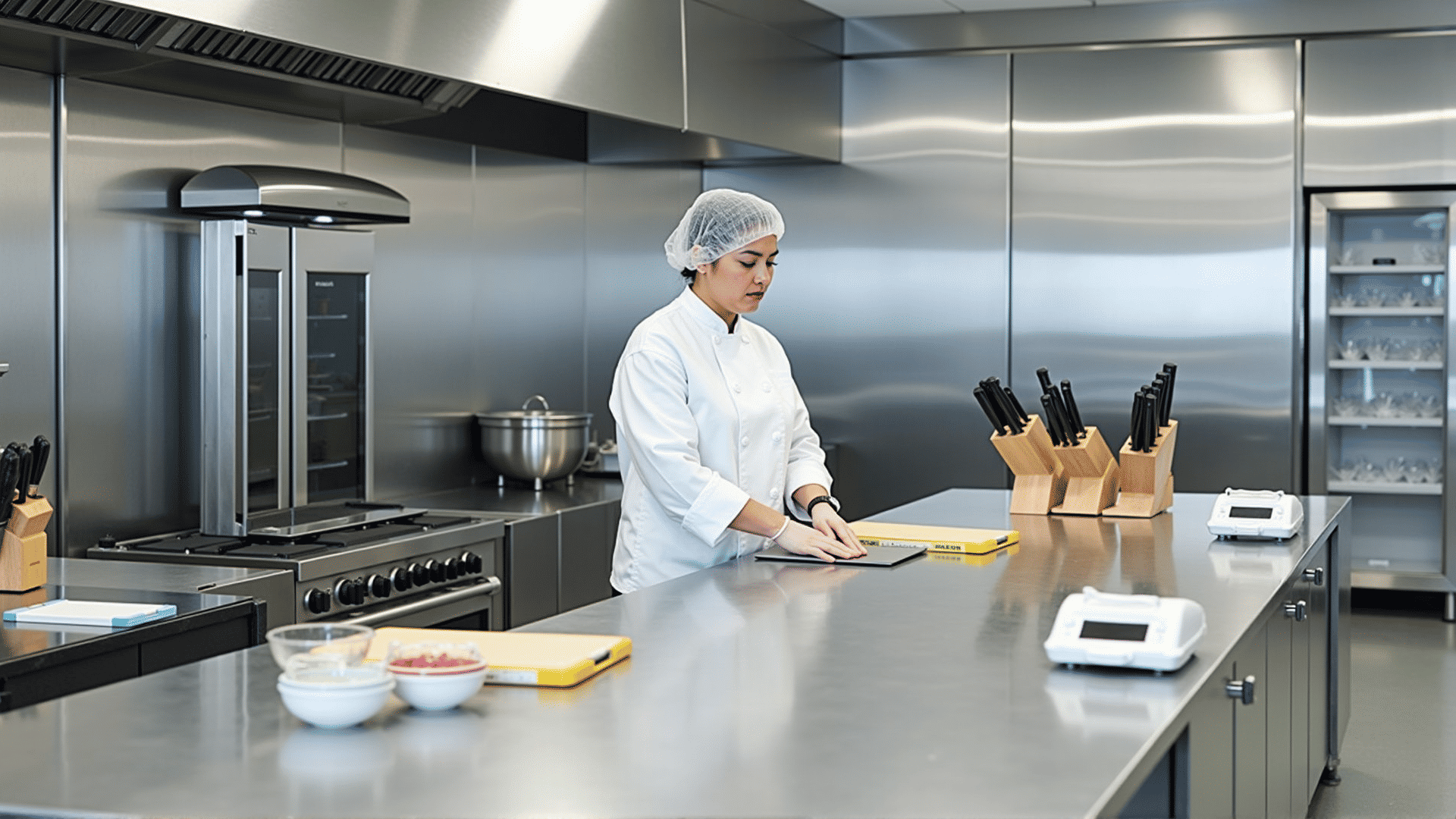
In today's fast-paced world, ensuring food safety in modern kitchens is more crucial than ever. With the rise of new cooking technologies, innovative kitchen designs, and various dietary trends, maintaining high hygiene standards is key to keeping meals safe and healthy. This article explores essential food safety practices, shedding light on the latest technologies that enhance kitchen safety.
First and foremost, personal hygiene remains the cornerstone of food safety. Proper handwashing techniques using soap and warm water are vital to prevent the spread of harmful bacteria. It's essential for anyone handling food to wash their hands thoroughly before cooking, after handling raw ingredients, and after using the restroom. Equally important is the use of clean and sanitized cooking utensils and surfaces, as cross-contamination can be a significant health hazard.
In addition to personal hygiene, understanding safe food storage practices is vital for modern kitchens. The refrigerator should be organized to maintain appropriate temperatures for different food items, preventing spoilage and minimizing bacterial growth. Perishable goods should always be stored below 40°F (4°C), while freezers should operate at 0°F (-18°C) or lower. Utilizing airtight containers and labeling them with dates can help reduce food waste and ensure that expired items don't unknowingly make it to the dinner table.
The advent of smart kitchen appliances and tools has further enhanced food safety practices. Modern refrigerators and freezers often come equipped with digital thermometers and smart systems that alert users if temperatures deviate from safe ranges. Additionally, smart ovens and cooktops now integrate temperature sensors and timers that ensure food is cooked at specific temperatures necessary to eliminate pathogens.
Another breakthrough in food safety technology is the use of ultraviolet (UV) light to disinfect surfaces. This innovation is increasingly being incorporated into kitchen environments as it efficiently eliminates bacteria and viruses without the use of harsh chemicals. Some models of chopping boards and knife blocks are now embedded with UV lights, providing an extra layer of protection for diligent home chefs.
Innovations in packaging also play a significant role in food safety. Vacuum sealing, for instance, helps extend the shelf life of food by removing air, which slows down the degradation process and reduces the likelihood of bacterial growth. Furthermore, technology such as Active Packaging, which involves packaging materials that interact actively with food to enhance its safety and longevity, is being embraced extensively. These packs may include oxygen absorbers or antimicrobial layers.
Another aspect of modern food safety is being aware of allergens and food intolerances. Clear labeling of ingredients and maintaining an organized system to prepare meals for individuals with specific dietary needs can prevent adverse health effects. Additionally, color-coded kitchen tools and cutting boards can be used to manage cross-contamination between different food types, particularly when dealing with allergens.
Finally, education and training in food safety remain vital. Many online platforms and community centers now offer courses, webinars, and certifications that help keep both professional chefs and home cooks informed on the latest food hygiene standards and practices.
In conclusion, food safety in modern kitchens involves a blend of age-old practices and cutting-edge technologies. By adhering to stringent hygiene standards, using innovative kitchen appliances, and staying informed, we can ensure that every meal prepared is not only delicious but also safe for consumption. As technology continues to evolve, the possibilities for enhancing food safety in the kitchen will undoubtedly expand, making it easier to protect our health and well-being.